How long can a business survive when system disruptions and slow manual processes continue to hinder daily operations? In today’s accelerated digital landscape, manually managed infrastructures create rising operational risks. A 2024 study by ITIC revealed that over 90% of mid-to-size enterprises incur losses exceeding US$300,000 for every hour of downtime, proving how costly operational inefficiency has become.
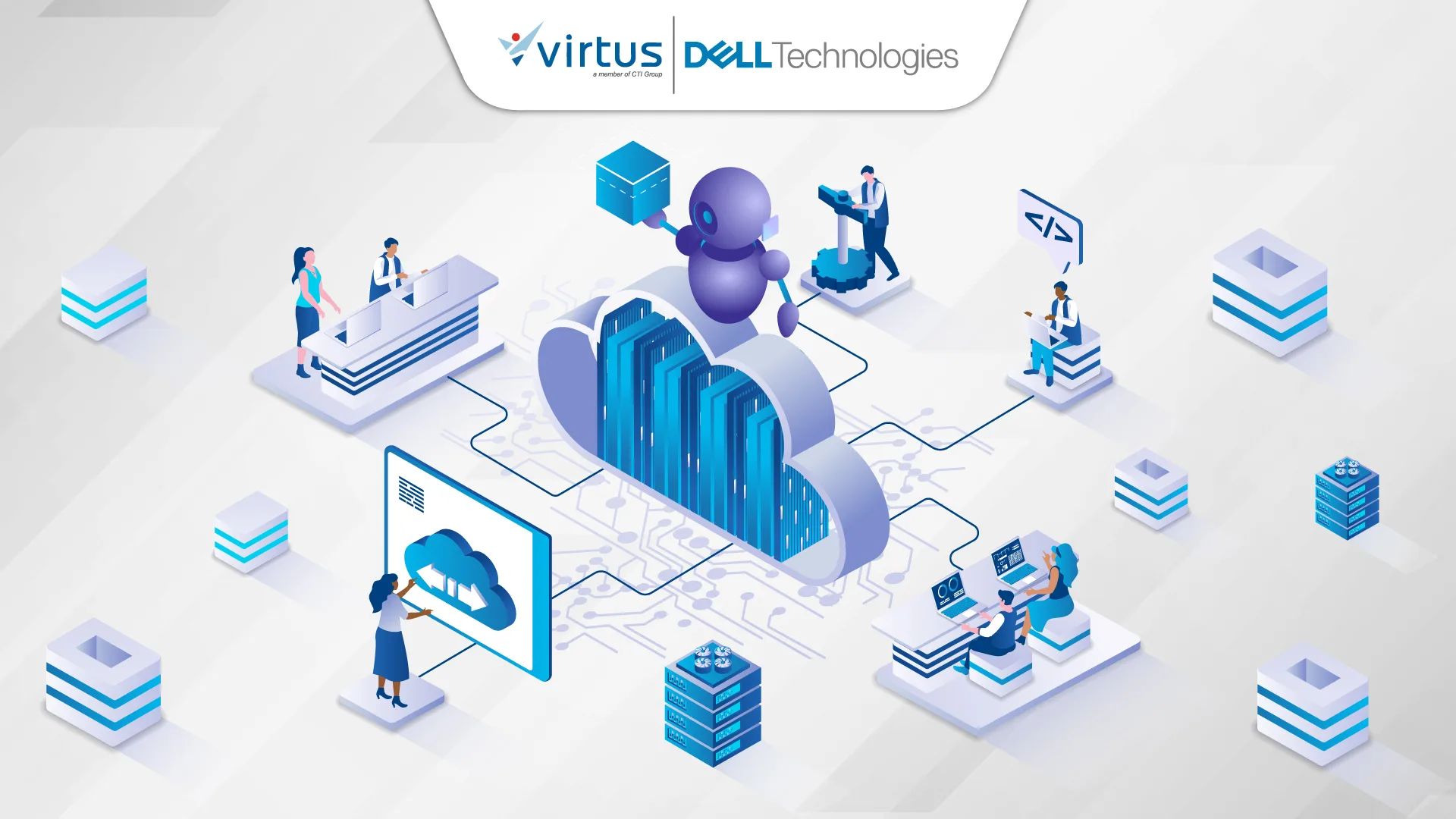
With workloads now distributed across data centers, cloud environments, and edge locations, IT teams spend excessive time on configuration, patching, and troubleshooting. This is exactly where cloud automation becomes a strategic necessity—ensuring efficiency, business continuity, and faster digital transformation.
Why Do Enterprises Need Cloud Automation?
In a dynamic and complex cloud environment, manual processes can no longer keep up with rapidly changing operational demands. Cloud automation enables provisioning, configuration, deployment, and scaling to run automatically based on standardized rules. With this level of automation, organizations can reduce human error, accelerate application release cycles, and maintain stable performance even during periods of increased workload.
Beyond operational efficiency, cloud automation provides full control and visibility over resource usage across multi-cloud and hybrid environments. Automated workflows help optimize costs, shut down unnecessary resources, and adjust capacity intelligently. As a result, organizations can reduce waste, increase team productivity, and ensure their cloud infrastructure is always ready to support business growth.
Key Advantages of Cloud Automation for Enterprises

Cloud automation establishes a faster, more stable, and highly efficient IT foundation. With automation capabilities unified in a single automation platform, organizations can optimize their IT operations without overburdening their teams. Here are the key benefits:
1. Improved Operational Efficiency
Manual tasks such as configuration, provisioning, and updates are executed automatically, allowing IT teams to focus on strategic initiatives.
2. Faster and More Consistent Deployment
Automation platforms ensure uniform configurations across environments, enabling smoother application releases with fewer errors.
3. Reduced Human Error
Automation eliminates variability in manual processes that often lead to misconfiguration.
4. Enhanced Infrastructure Reliability
Automated monitoring detects anomalies early, helping prevent downtime.
5. More Controlled Operational Costs
Dynamic workload management ensures optimal use of cloud resources, reducing unnecessary spending.
Cloud Automation vs. Cloud Orchestration: What’s the Difference?
Cloud automation focuses on executing individual tasks automatically—such as server provisioning, environment configuration, or system updates—without manual intervention. Its purpose is to eliminate repetitive work while ensuring speed, consistency, and reduced human error.
Cloud orchestration operates at a higher level. It coordinates multiple automated tasks into a single, integrated workflow. This may include provisioning, networking, security policies, and application deployment as a complete end-to-end process. If automation handles the “execution,” orchestration is the “conductor” ensuring all cloud components operate harmoniously.
Best Practices for Implementing Cloud Automation
Cloud automation cannot be implemented hastily. To maximize its benefits for efficiency and system stability, organizations should follow proven best practices:
Define automation objectives from the start
Before deploying an automation platform, determine your primary goals—operational efficiency, cost optimization, or security enhancement.
Start small before scaling up
Automate one domain at a time, such as provisioning or monitoring. Evaluate results, then expand gradually.
Document all workflows and automation configurations
Clear documentation supports auditing, troubleshooting, versioning, and long-term maintenance.
Dell Automation Platform: A Smarter Way to Manage Modern Infrastructure
Managing modern infrastructure demands substantial time and effort from IT teams. The Dell Automation Platform eliminates these challenges with comprehensive automation, centralized management, and high flexibility for diverse enterprise workloads.
Advanced Features Offered
Dell Automation Platform provides several advanced capabilities, including:
- Unified Control Center: All servers, storage, software, and edge environments are managed through a single centralized portal, with control maintained via the hypervisor orchestrator dashboard. This streamlines daily operations and eliminates operational silos.
- End-to-End Automation: Processes such as server installation, provisioning, configuration, and updates run automatically, reducing the risk of misconfiguration.
- Pre-Validated Blueprints & Catalogs: Deploy environments in hours using Dell-validated configurations designed by experts.
- Zero-Touch Onboarding: NewPowerEdge servers register automatically without manual setup. Once powered, the system initiates workflows and prepares the server for immediate use.
- Zero Trust Security: Every access request—user or device—is strictly verified. The platform follows enterprise-grade security standards backed by Dell’s global support.
- AI and Edge Workload Support: The platform automates deployment for AI, analytics, and edge applications across distributed locations with centralized governance.
To deliver truly optimized automation, the Dell Automation Platform integrates seamlessly with Dell’s enterprise-grade hardware ecosystem. Combined with high-performance servers and storage—such as PowerEdge R660, PowerEdge R760, and Dell PowerStore—the platform ensures maximum reliability, efficiency, and workload readiness.
Benefits of Dell Automation Platform
With these advanced features, organizations can gain several key benefits:
- Greater IT Efficiency: Teams no longer drown in repetitive configuration tasks, enabling more focus on innovation.
- Faster Server Deployment: Private cloud servers can be provisioned within three hours with fully automated software setup and validation.
- High Scalability Across Workloads: Ideal for private cloud, enterprise applications, AI/ML, and branch environments.
- Flexibility Without Vendor Lock-In: Organizations can run any software stack on Dell hardware with no platform dependency.
- Configuration Consistency Across All Locations: Dell-validated blueprints ensure standardized environments and easier troubleshooting.
- Stronger Infrastructure Security: Zero trust architecture and automated monitoring help identify misconfigurations and reduce attack risks.
Transform Your IT Operations with Dell Automation Platform
With extensive expertise in infrastructure transformation and cloud automation, Virtus Technology Indonesia is ready to help enterprises adopt the Dell Automation Platform securely, efficiently, and at scale. As part of CTI Group and an authorized distributor of Dell Technologies, Virtus delivers end-to-end services—from consulting and deployment to training and operational enablement.
Contact us today and begin accelerating your IT modernization journey.
Author: Moyna Farla Tsabitah
CTI Group Content Writer