
Looking for the Right Cybersecurity Platform? Check These 5 Things Before You Choose
5 Things to Consider Before You Choose the Right Cybersecurity Platform Enterprise operations no longer sit in one place. Applications, data, and core systems can now be accessed from headquarters, branch offices, remote teams, and cloud-connected devices. This distributed access model helps businesses move faster, but it also creates more points that need to be […]
How Sophos Workspace Protection Keeps User Data and Work Activity Secure
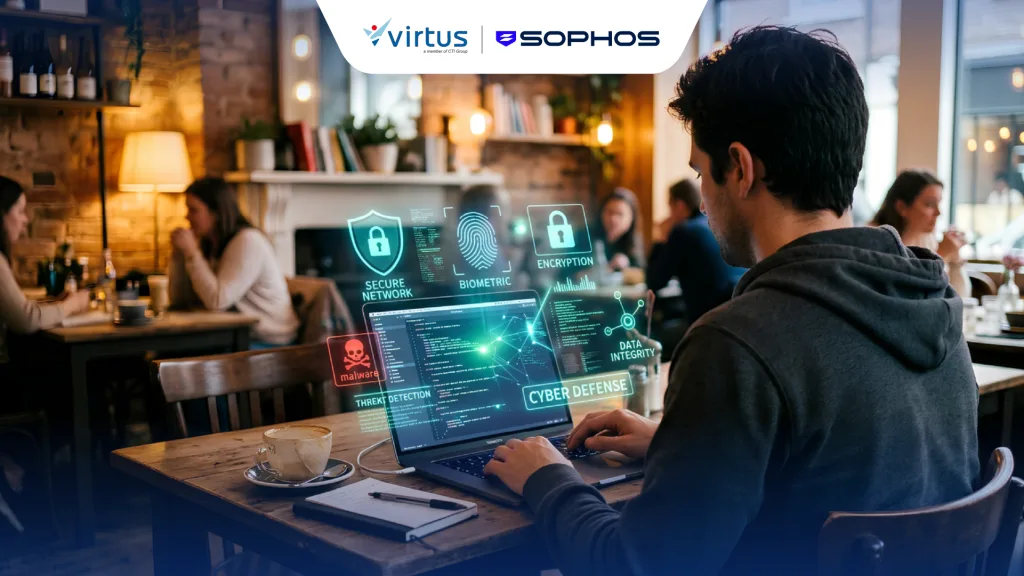
Today’s employees can work from anywhere. They might join a morning meeting from home, check business dashboards from a café during the day, and access company systems at night from a personal device. The modern workspace is no longer tied to the office. It moves with the user. The problem is that many security strategies […]
Is Your SOC Team Overwhelmed by Alerts? SecNova AI is The Answer
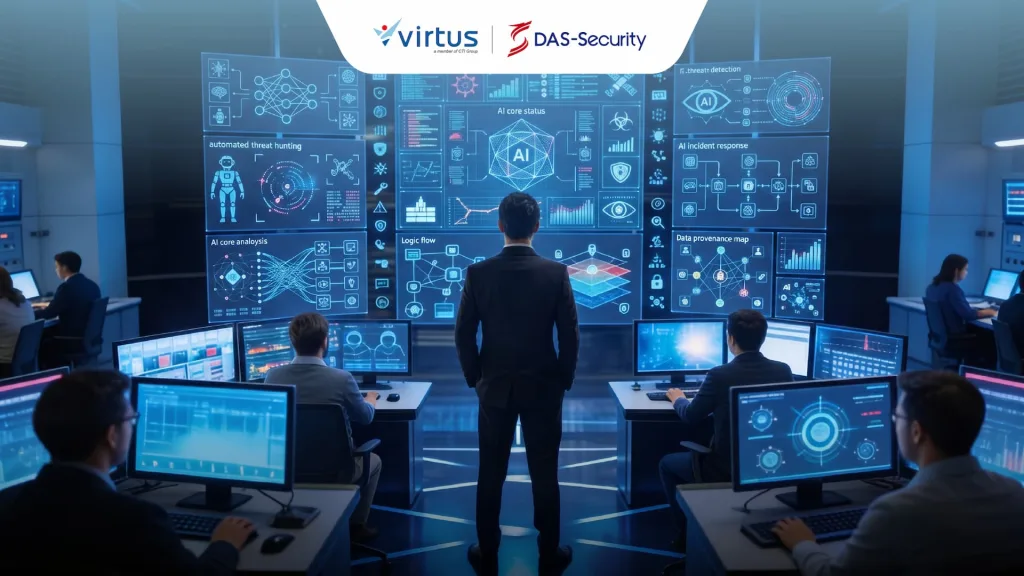
The cybersecurity landscape has evolved rapidly over the past few years. Cyberattacks are no longer random. They are now more structured, automated, and increasingly difficult to detect. At the same time, many Security Operations Centers still rely on manual processes to sort through massive volumes of alerts every day. As a result, critical threats are […]
Why Data Communication Infrastructure Matters More as Business Goes Digital
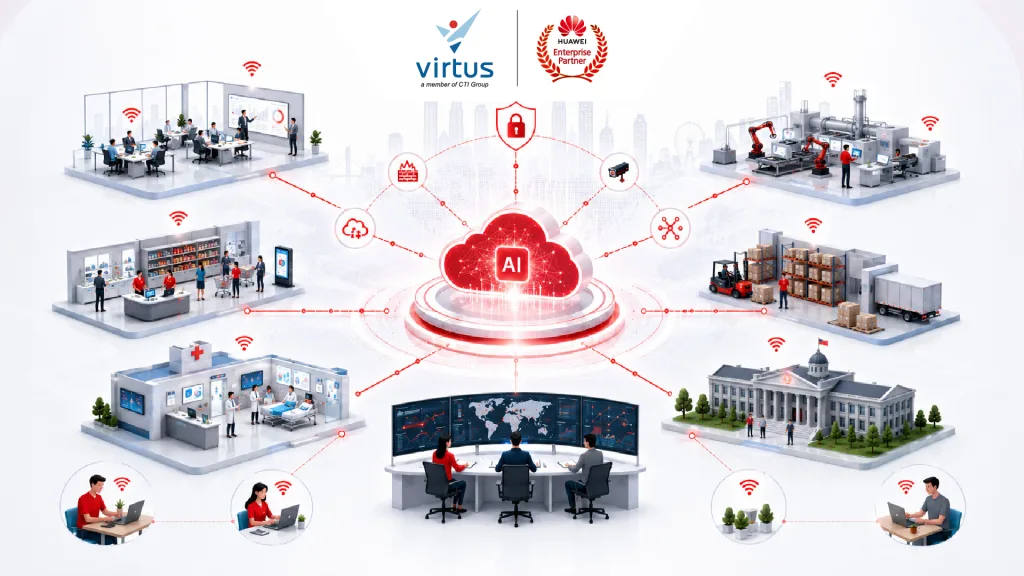
Modern business operations are becoming increasingly dependent on digital connectivity. From cloud applications, video collaboration, artificial intelligence, to IoT devices, everything requires a fast, stable, and always-available network to keep operations running efficiently. However, many organizations still face various network challenges such as unstable connectivity, slow troubleshooting processes, and increasingly complex cybersecurity threats. When network […]
Infosec Technologies China: A Smarter Way to Secure Enterprise Access, Applications, and Data
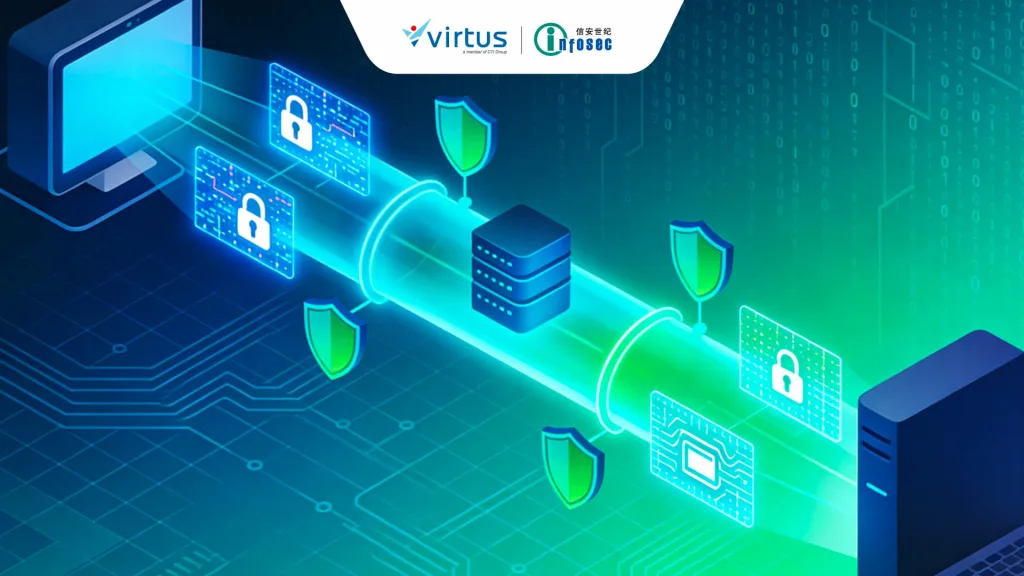
In today’s digital business landscape, data moves fast across applications, networks, cloud environments, and hybrid infrastructure. This level of connectivity helps companies move faster, serve customers better, and run operations more efficiently. But as digital connections expand, so does the need to keep every data exchange secure, controlled, and protected. That is why data security […]
Data Leaks Through AI Without You Realizing it? Why Businesses Need AI Detection and Response
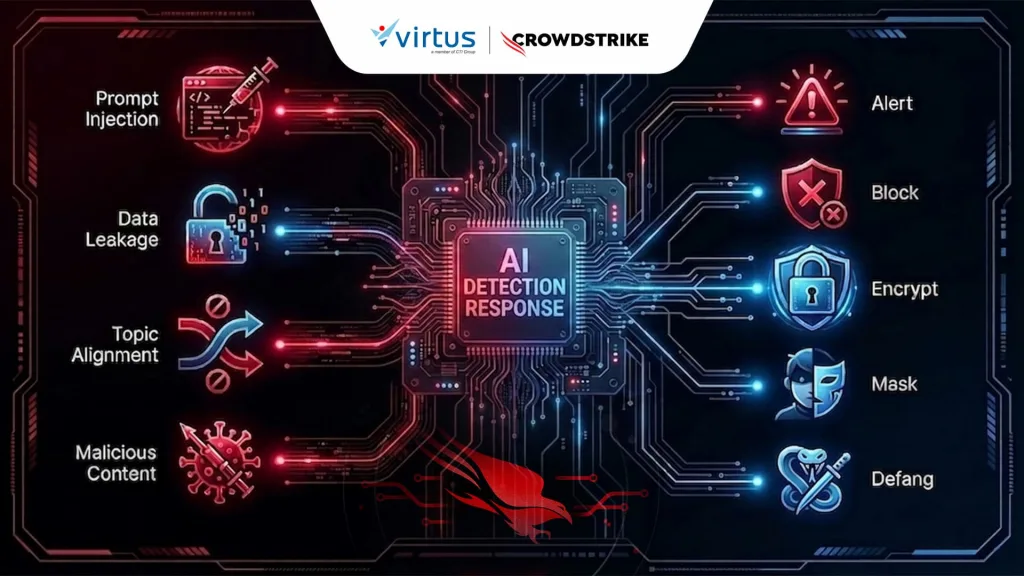
AI adoption across enterprises is accelerating rapidly. Employees now rely on various AI tools to improve productivity, from writing emails and analyzing data to assisting with coding tasks. However, behind this efficiency lies a new security risk that often goes unnoticed. Imagine an employee unintentionally uploading customer data, internal source code, or sensitive business documents […]
Too Many False Alarms? AI Security Cameras Can Cut Them by Up to 90%
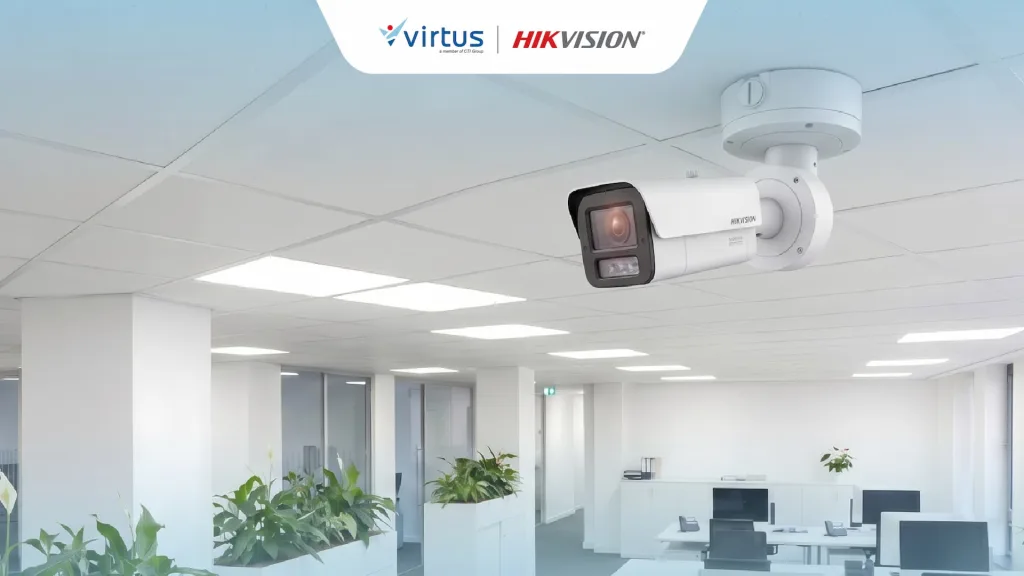
Enterprise security systems today face far greater challenges than in previous years. Organizations no longer need surveillance systems that simply record footage for post-incident investigations, but solutions capable of detecting potential threats in real time before risks escalate further. Unfortunately, many businesses still rely on traditional passive surveillance systems. Cameras continuously record activity, while security […]
Too Many Alerts, Too Little Time? See How AI-Powered SecOps Helps SOC Move Faster
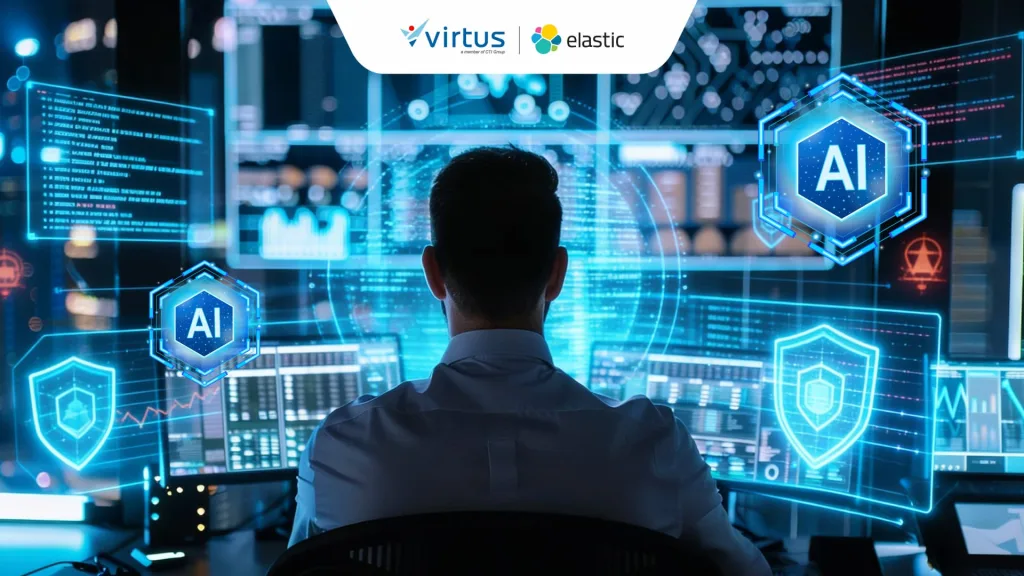
Cyber threats are evolving faster than ever, yet many Security Operations Center (SOC) teams still rely on manual processes. Every day, analysts deal with thousands of alerts, slow investigations, and repetitive event reviews just to identify which threats truly matter. This creates a dangerous gap. Attackers are already leveraging automation and AI, while many organizations […]
Is Your Legacy Network a Security Risk? Upgrade to Arista Cognitive Campus Switches Now
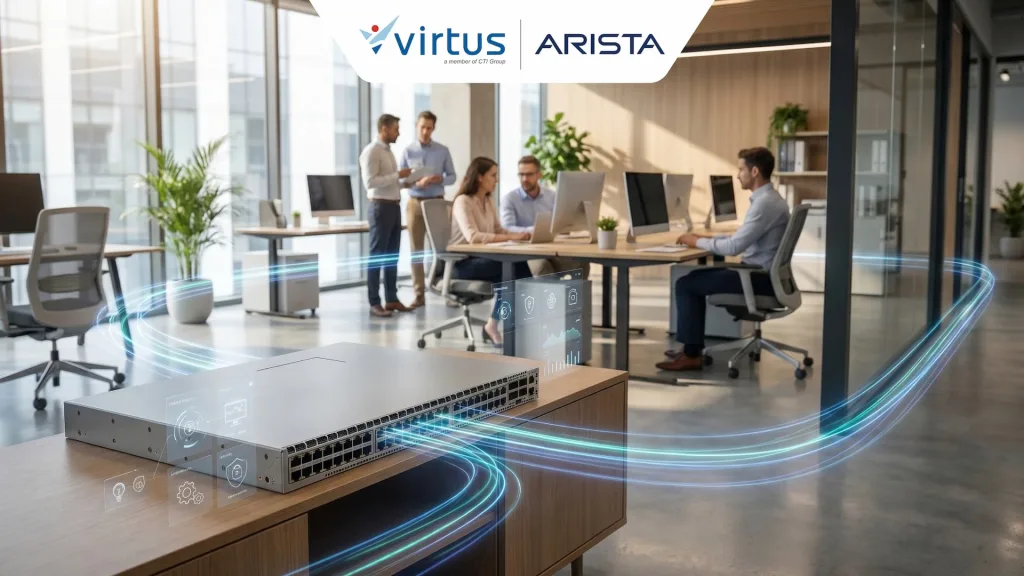
The complexity of modern networks has grown significantly with the rise of connected devices, real-time applications, and increasing connectivity demands. Many organizations are realizing that traditional networking approaches can no longer provide the visibility, security, and performance required to support today’s dynamic business operations. An adaptive solution is needed—one that minimizes downtime, eliminates blind spots, […]
What is Digital Employee Experience (DEX) and Why It Matters in Digital Workplaces?
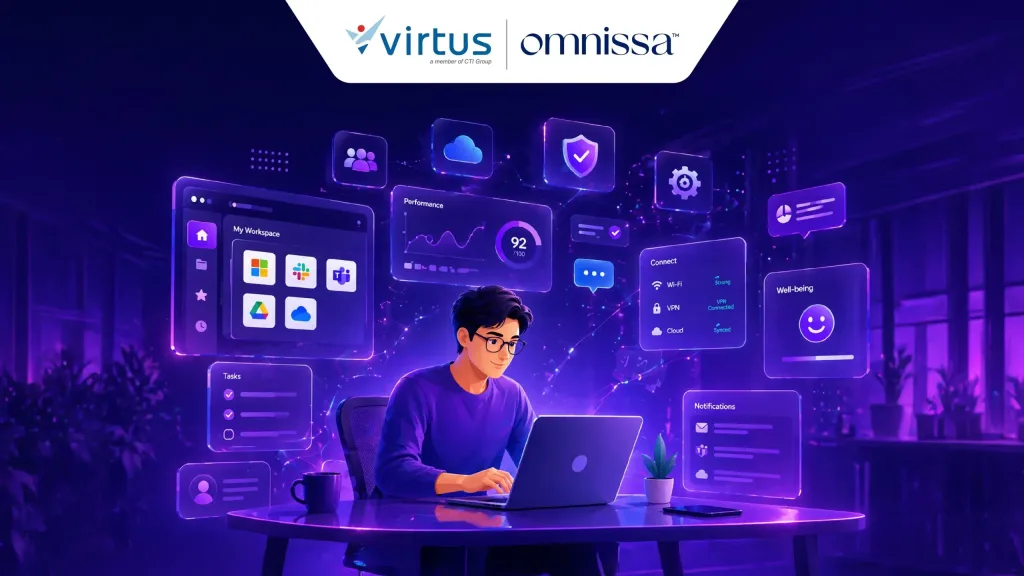
As organizations accelerate the adoption of hybrid work, cloud, and digital workspaces, the way employees interact with technology is evolving rapidly. However, this transformation also introduces new challenges, digital experiences that are inconsistent, slow, and often disruptive to productivity. Across industries such as banking, government, manufacturing, and telecommunications, these issues are no longer just technical […]